Reliable General Contractor: Transforming Dreams Into Reality
A trusted general contractor plays a pivotal role in turning architectural ideas into physical structures. By overseeing timelines and budgets, they guarantee projects progress seamlessly. Their expertise creates a collaborative environment, vital for minimizing risks. However, not all contractors are created equal. Understanding how to choose the right one is crucial for any successful project. What important qualities should one look for, and how can they impact the overall outcome?
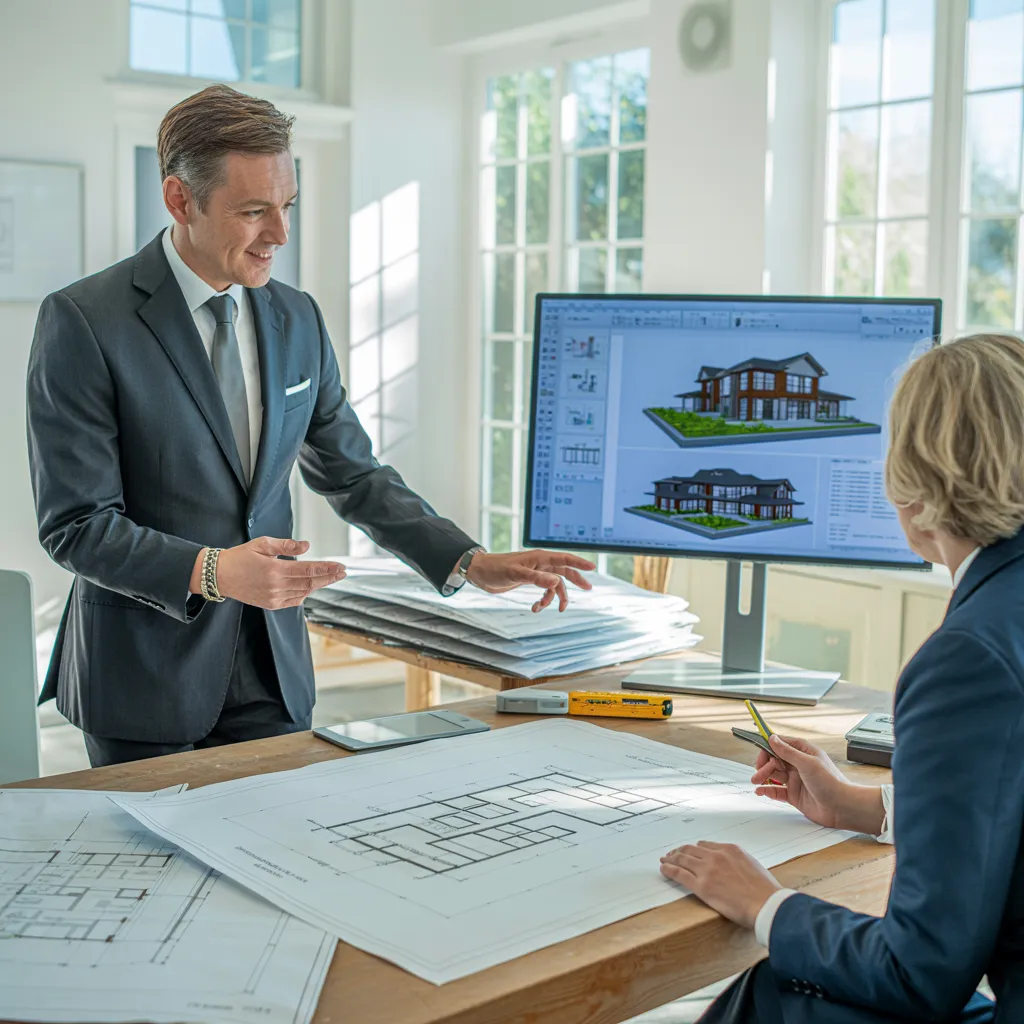
How Can You Spot a Reputable General Contractor?
In what fashion can one assess the dependability of a general contractor? Reviewing a contractor's track record remains vital. A practical technique entails obtaining referrals from personal contacts and web-based feedback, which offer information into past performance and patron happiness. Furthermore, confirming proper licensing and protective insurance guarantees that the contractor complies with sector requirements and safeguards against possible risks. Reviewing completed projects, either through project portfolios or location tours, enables one to determine the caliber of their construction expertise.
Additionally, securing multiple estimates allows for comparison of pricing and project timelines, surfacing any variations that may signal questionable reliability. Effective communication is furthermore a critical factor; a solid professional should be attentive and explicit in their interactions. Finally, checking references can provide valuable particulars about a contractor's standards of work and reliability. By executing these procedures, one can make informed decisions when selecting a general contractor for construction projects.
Vital Properties of a Top-notch General Contractor
A superior general contractor possesses fundamental attributes that validate successful outcomes. Excellent communication abilities enable transparent interactions with clients, subcontractors, and material providers, while extensive project management experience assures punctual and economical results. These attributes are essential in transforming a vision into reality.
Excellent Communicative Competencies
While solid project management is essential for a general contractor, robust communication abilities often serve as the cornerstone for successful collaborations. These competencies enable a contractor to clearly convey project objectives, ensuring that all team members and stakeholders are aligned. Strong communication fosters trust, allowing for transparent discussions regarding timelines, budgets, and changes. A good general contractor actively listens clients, subcontractors, and suppliers, handling issues promptly and adjusting to feedback. This two-way dialogue not only enhances problem-solving but also cultivates a positive working environment. Additionally, clear communication reduces misunderstandings, which can lead to costly delays or errors. Ultimately, robust communication abilities empower a general contractor to manage obstacles effectively, guaranteeing that projects progress smoothly from inception to completion.
Demonstrated Project Management Expertise
Exhibiting verified project management experience is essential for any general contractor striving toward success. Effective project management entails careful planning, resource allocation, and timeline adherence. A seasoned contractor shows the ability to coordinate various teams, ensuring architects, engineers, and subcontractors collaborate effectively. Moreover, they expertly navigate challenges, utilizing problem-solving skills to keep projects on track and within budget. Their experience enables them to anticipate potential issues, minimizing risks before they grow. In addition, strong project management fosters transparency, allowing clients to stay informed during the construction process. By prioritizing quality control and adhering to safety standards, a general contractor with verified experience delivers outstanding results and builds long-lasting relationships based on trust and reliability.
The Advantages of Choosing a Trustworthy General Contractor
Retaining a reputable construction specialist offers noteworthy advantages in any construction undertaking. Their competence and experience guarantee that jobs are done to rigorous standards, while also maximizing schedule management and financial performance. This integration empowers homeowners and businesses to focus on their vision without the tension of project oversight.
Expertise And Track Record
Working with a trusted general contractor brings a great amount of knowledge and know-how to any construction project. Their thorough knowledge of building codes, regulations, and industry standards guarantees that each phase of the construction process is compliant and effective. Experienced contractors have sharpened their talents through many projects, enabling them to predict potential issues and implement effective solutions. Their strong relationships with subcontractors and suppliers additionally improve the quality of work and materials used. Moreover, a competent general contractor has strong project management abilities, managing timelines, budgets, and resources effectively. This expertise not only reduces risks but also promotes a collaborative environment, turning a client’s vision into a tangible reality while maintaining high standards throughout the construction journey.
Timing and Cost Savings
A trusted general contractor significantly improves efficiency in time and cost during construction projects. They manage multiple subcontractors and suppliers to optimize workflows, reduce delays, and make sure tasks are finished on time. Their solid relationships within the industry often lead to better pricing on materials and labor, reducing overall project costs. Additionally, a skilled contractor proactively identifies potential issues, allowing for timely solutions that prevent costly setbacks. Thanks to their project management knowledge, they efficiently allocate resources, making sure labor and materials are used effectively. Ultimately, hiring a trustworthy general contractor not only expedites project timelines but also safeguards the budget, providing clients with peace of mind and confidence in their investment.
Successful project management often relies on the knowledge of a general contractor. By acting as the central figure in the construction undertaking, a general contractor manages various elements of the project, guaranteeing seamless dialogue among subcontractors, suppliers, and clients. This unified approach minimizes delays and decreases the likelihood of miscommunication, which can result in costly errors.
A general contractor improves the workflow by setting up transparent timelines and schedules, allowing all parties to stay aligned with project milestones. They also demonstrate the knowledge to anticipate challenges, supporting forward-thinking problem-solving. Additionally, they oversee permits and inspections, easing the responsibility on clients and ensuring conformity with local requirements.
In the end, the engagement of a proficient general contractor changes complex projects into workable duties, letting homeowners and developers to concentrate on their vision while relishing peace of mind throughout the construction process. This teamwork encourages a more productive and successful project outcome.
Top 5 Common Errors to Circumvent When Deciding On a Contractor
How can homeowners ensure they pick the right contractor for their project? Steering clear of common pitfalls is essential. First, homeowners should steer clear of choosing a contractor solely based on the lowest bid. Quality often comes at a price, and a low estimate may suggest inadequate experience or hidden costs. Second, failing to check references can lead to selecting someone questionable or unreliable. Third, neglecting to check licenses and insurance can expose homeowners to legal and financial liabilities. Fourth, not reviewing project timelines in detail may result in unexpected delays and frustrations. Ultimately, homeowners often overlook the importance of clear exchange. A contractor who doesn't listen to concerns or provide updates can generate misunderstandings. By steering clear of these mistakes, homeowners can enhance their chances of selecting a contractor who will effectively bring their vision to life.
Important Queries to Pose Prior to Finalizing a Contract?
What important inquiries should homeowners think about before entering into a agreement with a contractor? First, they should inquire about the contractor's credentials and coverage status. Valid credentials protect homeowners from potential risks. Next, asking for references and examining past projects can offer insight into the service provider's reliability and workmanship. Homeowners should also talk about timelines—knowing the projected start and completion dates is critical for planning.
Furthermore, explaining payment conditions is important; homeowners must know the deposit required and the schedule for subsequent payments. Additionally, homeowners should question what will happen if unforeseen problems emerge during the project, such as order changes and how they will be managed. Finally, understanding warranty conditions on both craftsmanship and materials can offer peace of mind. By addressing these inquiries, homeowners can choose wisely and establish a solid foundation for their project.
Developing a Sustainable Relationship With Your General Contractor
Building a solid relationship with a general contractor can significantly improve the overall quality of a home construction or renovation matching information project. Clear dialogue is the foundation of this partnership, fostering trust and transparency. Homeowners should emphasize transparent communication, covering expectations, timelines, and financial limitations early in the process.
Frequent communications and updates can help address issues promptly, ensuring that both parties remain in sync throughout the project. Additionally, expressing appreciation for the contractor's expertise can develop mutual respect and promote a collaborative atmosphere.
Flexibility is also essential; recognizing that difficulties may emerge can pave the way for problem-solving and flexibility. A positive rapport can result in superior quality work, as contractors are more likely to invest additional effort when they feel valued. Ultimately, a enduring relationship with a general contractor not only supports a successful project but can also create opportunities for future collaborations.
Popular Queries Asked Often
In What Manner Do General Contractors Navigate Unexpected Project Changes?
General contractors handle unexpected project changes by evaluating the situation, communicating with stakeholders, adjusting timelines and budgets, and implementing solutions. Adaptability and analytical abilities are essential in keeping projects progressing smoothly despite unforeseen challenges.
What Classes of Assignments Do Building Contractors Regularly Handle?
General contractors often administer a selection of projects, comprising home refurbishment, commercial construction, structural improvements, and specialized installations. Their knowledge covers coordination, budgeting, and timeline development, assuring project fulfillment throughout heterogeneous construction types and complexities.
How Do Payment Plans Function With a Contractor?
Payment schedules with a general contractor normally comprise upfront deposits, then followed by milestone-based payments attached to project milestones. Final payments are completed upon project completion, maintaining both parties keep aligned on financial commitments throughout the construction process.
Can a construction contractor Assist With Permits and compliance requirements?
A general contractor can indeed provide assistance with regulatory approvals and licensing. They generally navigate local building codes, file necessary documents, and ensure legal compliance, reducing complexity for property owners and preventing costly regulatory issues.
What occurs if the Project surpasses the original Budget?
If a project exceeds the original budget, the contractor typically communicates the reasons for the increase. They may recommend adjustments, secure stakeholder approval, and explore cost-saving variations to retain the project on track.